
By a Proud Desi Optimist
October 23, 2025
The Sepoy Syndrome: Imported Angst, Manufactured Dissent
The BBC’s latest “analysis” on India’s Gen Z could easily be mistaken for a colonial-era intelligence brief — dripping with condescension, powered by second-hand quotes, and calibrated to create the illusion of unrest where none exists. Written with the same tired trope — “Why aren’t Indians revolting like Nepal or Bangladesh?” — it reeks of a deep desire to see chaos in the world’s most vibrant democracy.
Apparently, if Indian youth aren’t burning tyres on highways, the West’s self-appointed moral custodians feel cheated.
But here’s the inconvenient truth: India’s Gen Z isn’t marching in the streets because they’re too busy building startups, buying homes, and writing the next chapter of the world’s fastest-growing economy.
India 2025: Where Aspiration Beats Agitation
Let’s talk facts — not the BBC’s dated sob stories.
- 🇮🇳 6 lakh crore rupees in Diwali sales this year. The biggest in Indian retail history.
- 🚗 Record car sales: Over 4 million vehicles sold in FY25, with EV sales growing 45% year-on-year — the highest globally.
- 💼 Jobs boom: 2.5 crore new formal jobs created in the last 18 months (EPFO data). Add the gig economy — ₹10 lakh crore market employing over 80 lakh Indians.
- 🧠 Startup surge: 1.2 lakh startups, 111 unicorns, and India ranked #1 in global new business creation (as per World Bank 2025 report).
- 🏭 MSME revolution: ₹25 lakh crore worth of credit disbursed under Mudra Yojana and PMEGP, turning side hustles into small empires.
- 📈 GDP growth: 7.2% — while the US, EU, and China battle slowdown or stagnation.
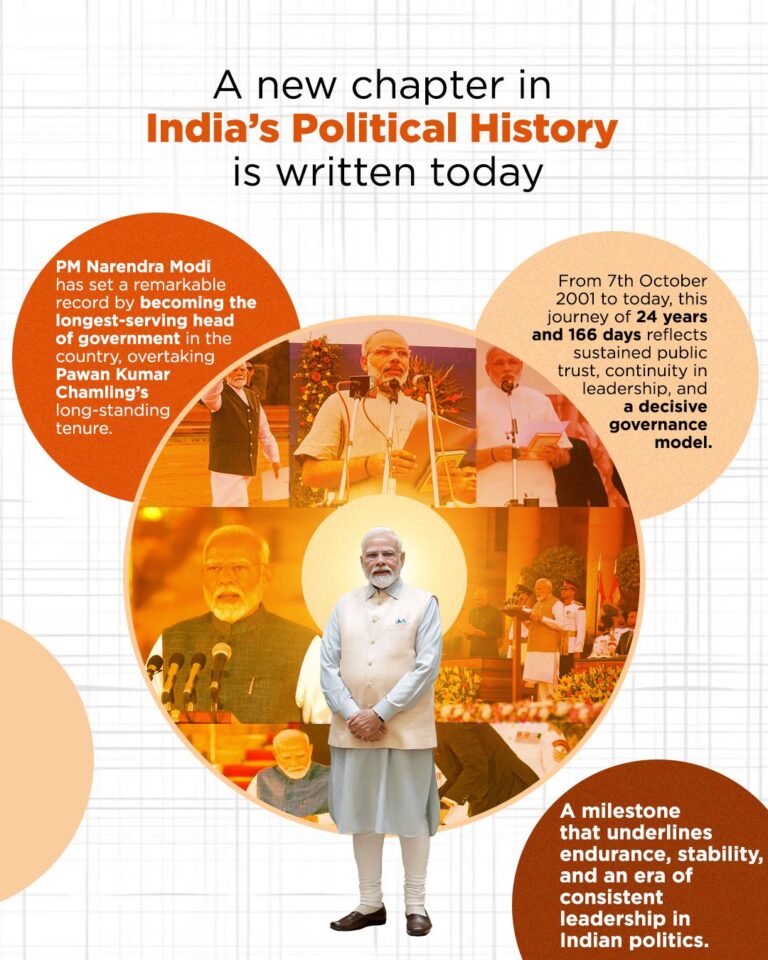
This isn’t a coincidence — it’s the result of Prime Minister Narendra Modi’s decade of decisive, reform-driven governance that turned slogans into results and policy into prosperity.
So forgive the youth for not chanting slogans in the streets — they’re busy coding, manufacturing, designing, and innovating. They’re not angry; they’re ambitious.
Fear of “Anti-National” Tag? No — Fear of Missing Out on Opportunity
BBC claims India’s youth “fear being branded anti-national.” Laughable. The real fear among Indian Gen Z is missing the next big opportunity. From Make in India to Digital India, Skill India to Startup India — PM Modi’s initiatives have converted aspiration into achievement.
From a tribal girl in Jharkhand running an AI startup to a mechanic in Coimbatore 3D-printing auto parts — the idea of India has evolved from protest to progress.
When your government is cutting GST on 400+ goods, reducing red tape, and opening new sectors for innovation, why waste time waving placards when you can wave your first salary slip?
BBC’s Obsession with Protests: The Deep-State Fantasy
The BBC waxes nostalgic about “youth uprisings” in Nepal and Bangladesh as if political instability is a badge of honor. It isn’t. Those nations are now grappling with economic collapse, IMF bailouts, and zero investor confidence — while India’s stock markets hit record highs and FDI continues to pour in.
What the article won’t admit:
- The real unrest is in Western economies facing layoffs and inflation.
- The real revolution is in Indian cities, where Gen Z is buying homes, EVs, and mutual funds instead of Molotov cocktails.
- The real threat to this “narrative machine” is a confident India that refuses to play the victim.
The so-called “deep state” writers — fueled by Congress leftovers and Soros-funded NGOs — thrive only on despair. But India has moved beyond their ecosystem of grievance under Modi’s model of stability and self-belief.
Fragmented? No — Diverse and Dynamic
BBC laments that India’s youth are “fragmented” by caste, language, and region. Translation: India’s diversity offends their need for a monolithic protest photo-op.
Yet, that very diversity is India’s strength. When the youth of Tamil Nadu fights for language pride, or Gujarat’s youth leads startups, or Delhi’s students drive EV innovation — that’s not division, it’s decentralization of dreams. India’s unity has never required uniformity.
And this inclusivity — from the North-East to the coasts — is exactly what PM Modi’s “Sabka Saath, Sabka Vikas, Sabka Vishwas” has nurtured.
From Jamia to Jaipur: Protest Has Evolved Into Participation
BBC dredges up old campus protests as though they define this generation. But India’s Gen Z has outgrown street sloganeering. They’re participating — as entrepreneurs, digital creators, and first-time voters.
They aren’t toppling governments; they’re transforming governance. When 18-year-olds can launch startups, trade on UPI, or sell designs globally, “resistance” becomes redundant.
Modi’s governance model has empowered this silent majority — turning a restless generation into a responsible, result-oriented one.
The Real Headline BBC Missed
If the BBC had dared to step out of Lutyens echo chambers, it would have seen:
- Record youth voter turnout in 2024 elections — 65% of new voters chose stability and growth.
- Record women participation in small business schemes — over 8 crore women benefited from Mudra and PM SVANidhi.
- Record investment in youth skill programs — over 1.5 crore youth trained under Skill India.
Instead, they peddled the same cliché: “India’s youth are restless.” Restless? Maybe with boredom at reading recycled propaganda.
Our Youth Don’t Riot — They Rise
India’s Gen Z isn’t the West’s fantasy of rebellion. They’re the architects of a trillion-dollar digital economy. They build, they hustle, they dream — in code, in commerce, and in character.
While sepoys of the pen long for chaos, India’s youth quietly create history — one app, one job, one startup at a time.
So to the BBC and its brigade of borrowed outrage: sorry to disappoint you. The only thing rising on Indian streets this Diwali wasn’t protest smoke — it was prosperity.
Because under PM Modi, India’s youth don’t burn buses — they build billion-dollar ideas.
And that’s the real revolution the world fears.
- Author : Sandiip Gandotra, is a serial entrepreneur, startup founder, social media influencer and political analyst with 25 years of overall experience. Tweets at Sandeep Gandotra