A Pattern That Keeps Repeating
Every election season brings a familiar script. Rahul Gandhi surfaces with a new moral crusade, a new accusation, and a new foreign detour.
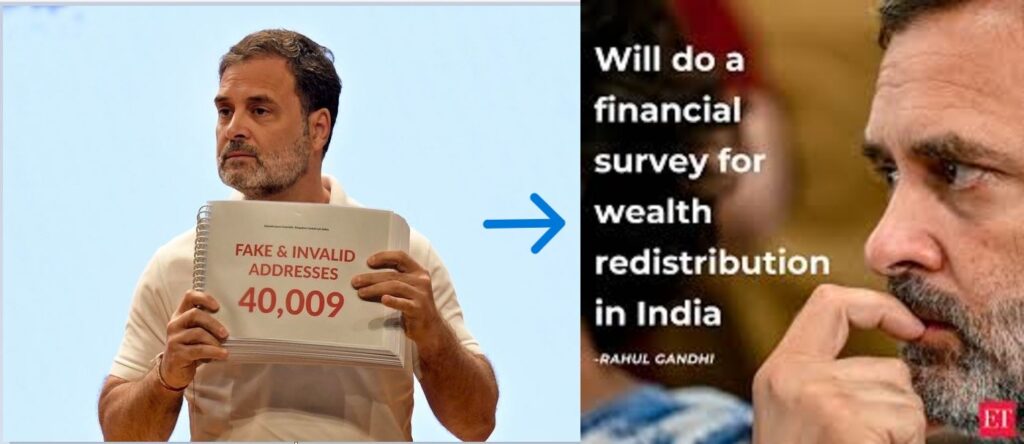
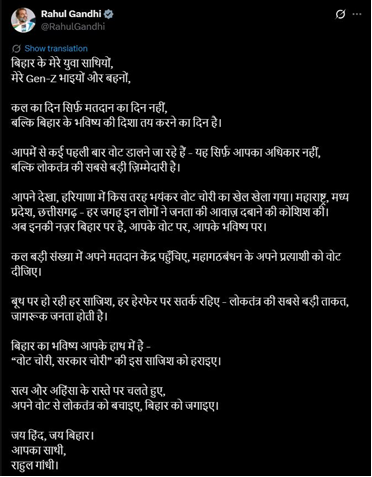
This time it’s “Vote Chori” — the claim that India’s electoral system has been hijacked.
But the outcry isn’t simply about votes. It’s a calculated narrative designed to sow distrust among first-time voters and to turn youthful frustration into political firepower.
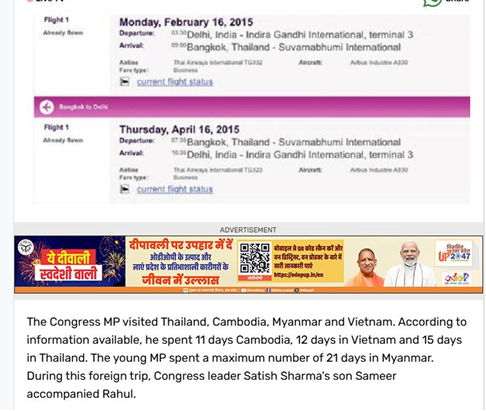
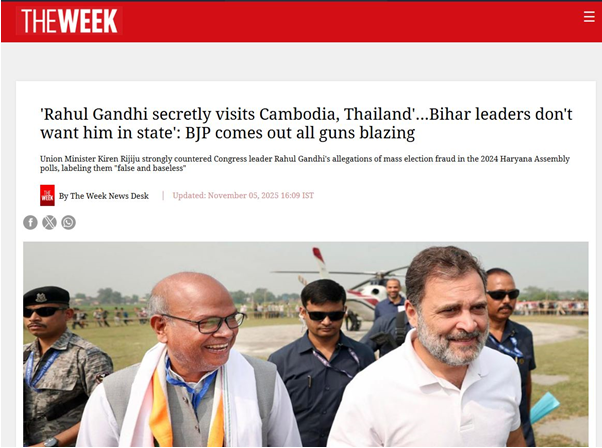
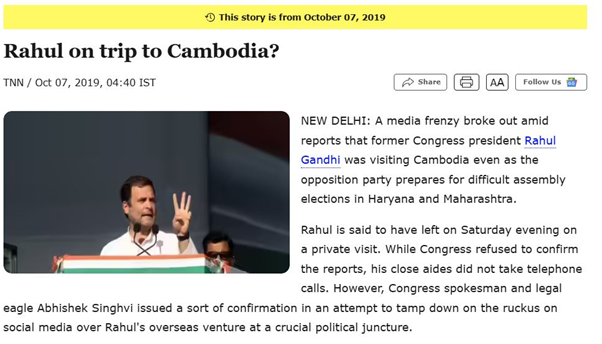
For a leader who has made multiple low-profile visits to Cambodia — a country synonymous with Maoist-style social engineering — the timing feels less like coincidence and more like choreography. Each visit precedes an Indian election cycle. Each time, the rhetoric that follows is about “redistribution,” “economic justice,” and “youth revolt.”
The Cambodian Parallel
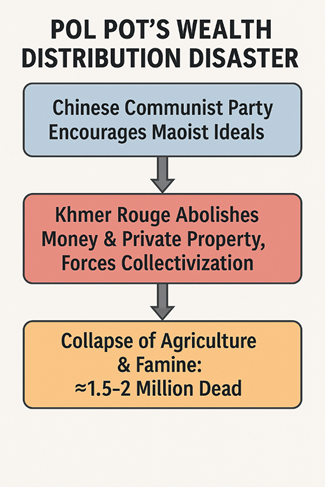
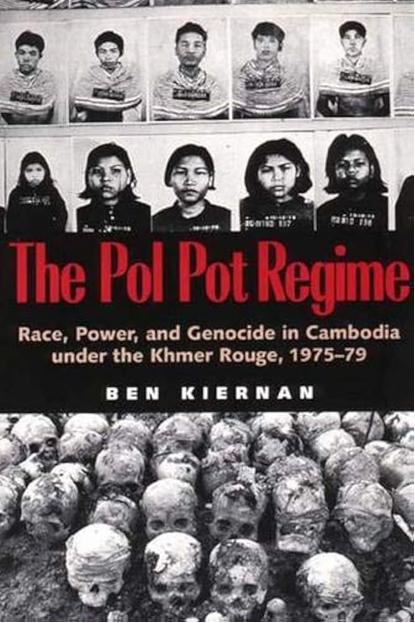
Cambodia’s tragic experiment under Pol Pot remains one of history’s darkest economic lessons.
Guided by Maoist theory and encouraged by the Chinese Communist Party, the Khmer Rouge abolished private property, erased currency, and promised “equality through collectivisation.” The result was famine, persecution, and the death of nearly two million Cambodians.
China called it ideological success; the world called it genocide.
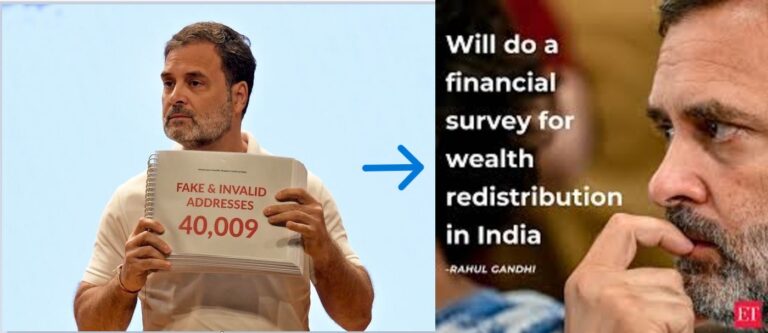
When Rahul Gandhi now speaks of conducting a financial survey for wealth redistribution, the echoes of that failed utopia grow uncomfortably loud. The idea of enforced equality has never built prosperity — it has only destroyed productivity, ambition, and individual freedom.
Gen Z and the Politics of Discontent
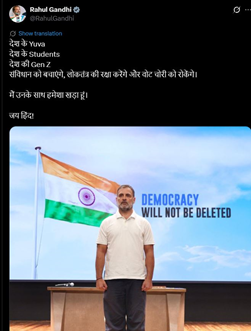
The Congress strategy today seems fixated on India’s youngest voters.
By convincing Gen Z that democracy itself is broken — that elections are “stolen,” institutions are “compromised,” and protest is the only voice left — Rahul hopes to ignite a generational rebellion that can deliver on the streets what he cannot at the ballot box.
This is not a new playbook. It’s the same emotional engineering that fuels colour revolutions worldwide: discredit the system, romanticise resistance, and promise equality once chaos clears the way. But India is not Cambodia of 1975. It is the world’s largest democracy with an aspirational, entrepreneurial youth that understands progress comes from empowerment, not confiscation
The Unasked Questions
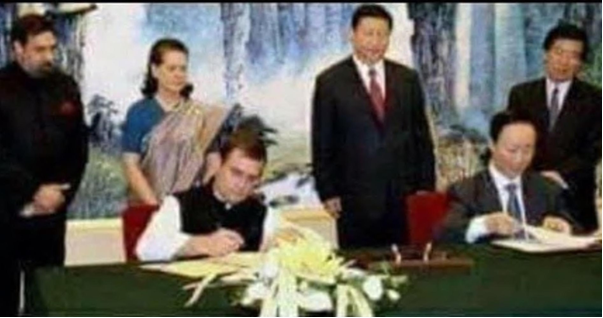
There exists a public record of a memorandum of understanding signed between the Indian National Congress and the Chinese Communist Party years ago — a document still shrouded in silence.
Why has no mainstream journalist demanded clarity on what that agreement entailed?
Why do Rahul’s recurring visits to nations that once embraced radical redistribution escape the scrutiny of those who claim to champion transparency?
India’s left-leaning commentariat interrogates every government decision down to a comma but suddenly loses curiosity when the subject is Congress and China. The selective amnesia is telling.
A Warning Written in History
Cambodia’s Maoist nightmare proved that redistribution without production leads only to despair.
Even China, the original architect of that ideology, abandoned it decades ago in favour of market-driven growth. Yet parts of India’s opposition still flirt with the same discredited economics under the guise of fairness.
If Rahul Gandhi’s talk of Vote Chori and Wealth Redistribution are stepping stones toward a larger ideological project, India must pause and recall what those words once wrought across Asia.
The true revolution is not to divide wealth — it is to expand opportunity.
And history’s verdict is clear: nations that chase equality of outcome over equality of effort end up equal only in poverty.
Bottom Line
India’s youth deserve aspiration, not agitation.
They deserve leaders who build, not those who borrow failed ideas from broken regimes.
The next time slogans of redistribution and vote theft flood the timeline, citizens should ask a simple question:
Is this outrage about reforming democracy — or replacing it?
Author: Rishi Kalia is a seasoned entrepreneur, Digital media Strategist and political analyst with 23 years of diverse experience in business and public discourse. Tweets at Rishi Kalia